
Bulgaria inflation 2026: why euro prices rose 5.7% by September
Bulgaria's annual inflation rate hit 5.7% in September 2026. Fuel, transport and services drove it, not the euro switch: food rose only 1.6%. The data explained.
Bulgaria’s annual inflation reached 5.7% in September 2026, up from 5.1% in August, according to National Statistical Institute (NSI) data published on 14 October. The main drivers are fuel, transport and services, not the euro changeover itself: food prices rose only 1.6% in a year, while transport rose 16.4%.
How high is inflation in Bulgaria now?
The consumer price index (CPI) was 5.7% higher than in September 2025. Prices actually fell by 0.2% compared with August, as the summer season ended. The EU-harmonised index (HICP), used for comparisons with other countries, stood at 5.6% (August: 5.0%) (Sofia Globe).
According to Eurostat, that is the third-highest rate in the EU in September, after Romania (6.5%) and Lithuania (6.1%). The euro area average was 3.8%.
What got more expensive?
| Category (annual change, Sept 2026) | Change |
|---|---|
| Food | +1.6% |
| Non-food goods | +7.7% |
| Services | +7.0% |
| Housing and utilities (HICP) | +5.3% |
| Transport (HICP) | +16.4% |
| Fuel for personal transport (Eurostat) | +42.2% |
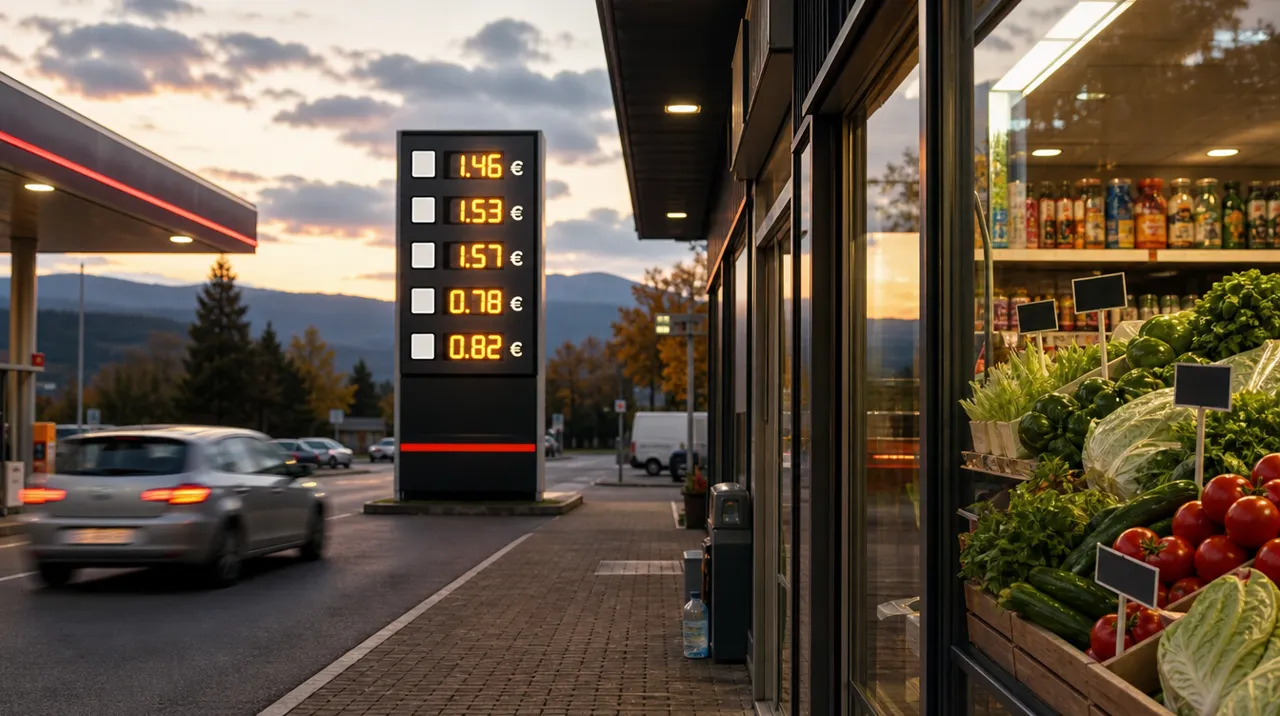
Fuel stands out. Eurostat says Bulgaria had the EU’s highest annual rise in car fuel prices in September, at 42.2%; the EU average was 31.4%. Fuel price tracker data quoted by The Sofia Globe show A95 petrol at about €1.65 a litre and diesel at about €1.91 on 21 October, against €1.26 and €1.29 at the end of February. More on pump prices in our fuel prices report for October 2026.
Is the euro to blame?
Not mainly. Bulgaria adopted the euro on 1 January 2026, and many people felt prices “rounded up” in shops, cafés and hair salons. Checks confirmed some of this: by mid-April the Consumer Protection Commission had found unjustified increases on 561 goods, and the National Revenue Agency had issued fines of more than €1 million, Novinite reported. Yet the categories that rose most in the autumn, fuel and transport, follow global energy prices that pushed fuel up across the whole EU. Food, the category most watched at the changeover, is one of the slowest-rising.
What rules protect consumers?
In June 2026 Parliament extended the ban on economically unjustified price increases until 9 August 2027. If challenged, a trader must show the price breakdown before and after the change; without it, the rise is presumed unjustified. Companies face fines of up to €100,000. Retailers with turnover above €25 million must publish their prices online every morning and send them to the Consumer Protection Commission. You can report a suspicious price rise to the Commission (CMS).
What does it mean for residents and visitors?
- Driving costs most. Fill up at larger stations and compare prices; budget more for car hire and long trips.
- Groceries have been steadier than services. Markets and supermarket promotions still help.
- Services cost more: hairdressers, gyms and public parking were among the sharp rises reported in the spring checks.
- Wages are rising too: the government links its proposed 2027 minimum wage of €660 to inflation of 5.7%.
For holiday budgets, see our partner guide Is Bulgaria cheap? Holiday prices 2026; if you live here or are moving, check the cost of living in Varna 2026.
What comes next?
NSI publishes October inflation in mid-November 2026. We will update this page when the new figures are out.
Sources
- The Sofia Globe – Bulgaria's annual inflation climbs to 5.7% in September (NSI data, 14 Oct 2026)
- Eurostat – Annual inflation up to 3.8% in the euro area, September 2026 (16 Oct 2026)
- The Sofia Globe – Eurostat - Bulgaria had EU's highest annual increase in fuel prices in September 2026 (21 Oct 2026)
- The Sofia Globe – Parliament extends ban on 'economically unjustified' consumer price increases (11 Jun 2026)
- CMS – Bulgaria extends prohibition on unjustified consumer price hikes following euro adoption
- Novinite – Price spike confirmed after euro adoption as hundreds of violations uncovered (16 Apr 2026)
Frequently asked questions
What is the inflation rate in Bulgaria in 2026?
Annual CPI inflation was 5.7% in September 2026, according to the National Statistical Institute (NSI). The EU-harmonised rate was 5.6%.
Did the euro cause prices to rise in Bulgaria?
Only partly. Inspectors did find unjustified increases after the changeover, but the biggest driver in 2026 is fuel: transport prices rose 16.4% and car fuel 42.2% in a year, while food rose just 1.6%.
Can shops in Bulgaria raise prices freely after the euro switch?
No. Until 9 August 2027 the law bans economically unjustified price increases. Traders must prove a rise is justified, and the Consumer Protection Commission can fine companies up to €100,000.
Is Bulgaria still cheap for tourists in 2026?
It is still cheaper than most EU countries, but fuel, transport and services cost noticeably more than a year ago, so budget extra for taxis, car hire and eating out.


